


An In-Depth Look at the Expansive and Interconnected GPS Tracker Industry
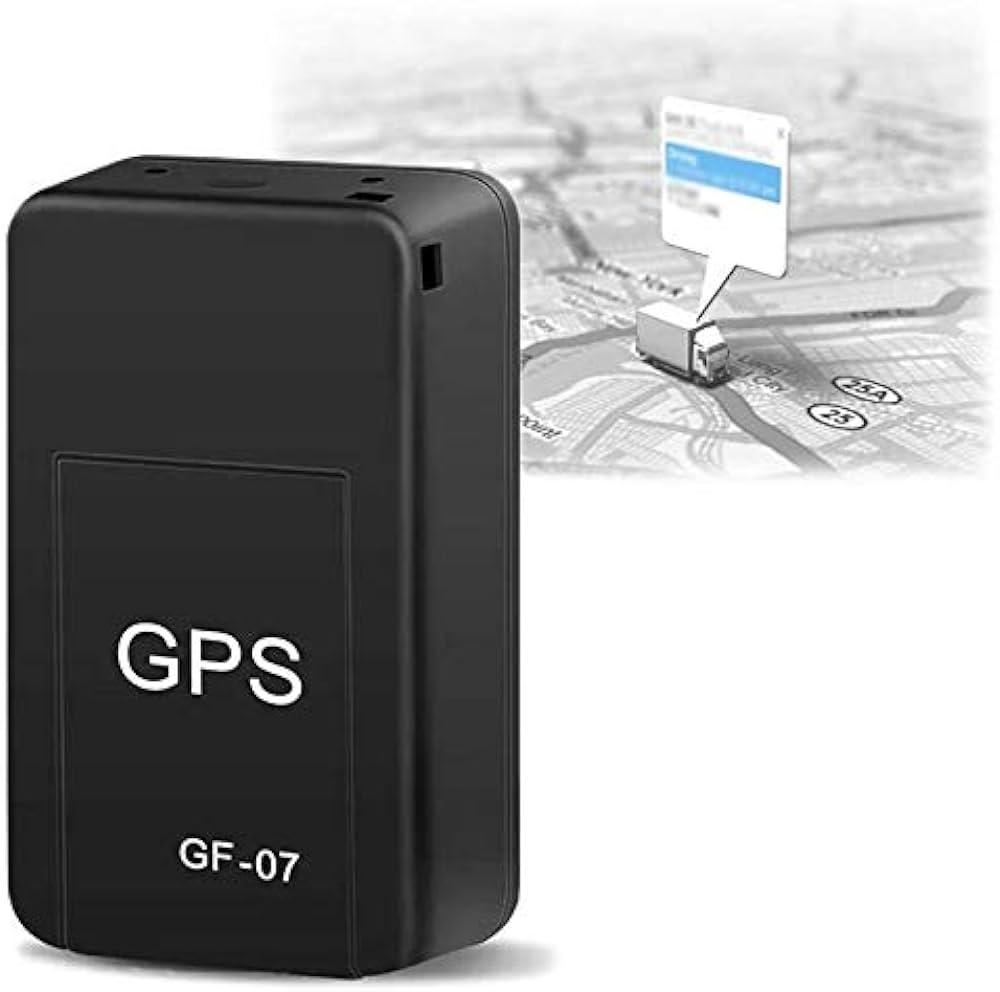
The global GPS Tracker Industry is a complex and interconnected ecosystem that extends far beyond the physical tracking device itself. This multi-layered industry is the engine driving the market towards its projected USD 11.88 Billion valuation by 2035. At its foundation are the hardware manufacturers. These companies, ranging from large multinational corporations to specialized design houses, are responsible for engineering and producing the core GPS tracking units. This involves designing the printed circuit boards (PCBs), sourcing components like GPS chipsets (from companies like u-blox or Qualcomm), cellular modems, and antennas, and assembling them into a final product with a durable enclosure. These manufacturers compete on factors like device size, power consumption, reliability, and cost, forming the essential hardware base upon which the entire industry is built.
The next critical layer of the industry consists of the telematics service providers (TSPs) and software platform developers. These companies are what turn a simple hardware device into a valuable tracking solution. They develop the sophisticated cloud-based software platforms that receive, process, and store the location data sent from the trackers. They also create the user-facing web portals and mobile applications that customers use to view their assets on a map, set up alerts (like geofences or speed alerts), and run historical reports. Many of the leading names in the industry, such as Geotab and Samsara, are primarily software and service companies. Their intellectual property and competitive advantage lie in the power, usability, and features of their software platform, which is typically sold to customers on a recurring monthly subscription basis (SaaS).
A third, often overlooked, but vital part of the industry is the connectivity providers. For a GPS tracker to transmit its location, it needs to connect to a network. This is where mobile network operators (MNOs) like AT&T, Vodafone, and T-Mobile, as well as specialized IoT connectivity providers, come into play. They supply the SIM cards and data plans that are embedded in the GPS trackers. These IoT-specific plans are often designed for low data usage and may offer global roaming capabilities, allowing a single device to work across multiple countries. The relationship between tracker manufacturers, service providers, and connectivity providers is symbiotic; they must work closely together to ensure that the devices are properly provisioned and can reliably connect to the network to transmit data, making connectivity a crucial and integral part of the industry's infrastructure.
Finally, the industry ecosystem is completed by a network of distributors, resellers, and system integrators. These channel partners are crucial for bringing GPS tracking solutions to the end customer. Distributors hold inventory and supply devices to a wide network of smaller resellers. Resellers, who may be specialists in vehicle accessories, IT services, or a specific industry like construction, then sell and often install the solutions for local businesses. System integrators work with large enterprise clients to deploy complex tracking solutions, often integrating them with the client's existing software systems, such as ERP or supply chain management platforms. This extensive and multi-tiered channel is essential for sales, marketing, installation, and local support, ensuring that the technology reaches a broad and diverse customer base across the globe.
Explore More Like This in Our Regional Reports:
South America Byod Enterprise Mobility Market
- Memes & Cultura da Comunidade
- Artigos e Análises
- Pessoal
- Oportunidade
- Projeto
- Conhecimento
- Dúvidas & Pedidos de Ajuda
- Reflexões & Opiniões
- Tendências
- Игры
- Lançamentos & Anúncios
- Saúde & Bem Estar
- Eventos & Convites
- Conteúdo Técnico
- Entretenimento
- Networking
- Festas & Festivais
- Religião
- Iniciativas de Impacto
 Russian
 English
 Arabic
 French
 Spanish
 Portuguese
 Deutsch
 Turkish
 Dutch
Dutch
 Italiano
 Romaian
 Portuguese (Brazil)
 Greek
Greek