


How Does Stamping Sheet Metal Affect Part Design Choices?
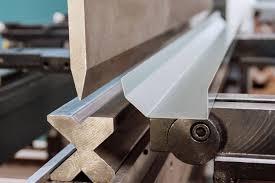
Stamping Sheet Metal is a manufacturing process used to produce brackets, mounting plates, housings, clips, supports, and other components for industrial and consumer products. For importers, OEM buyers, and product developers, placing an order involves more than sending a drawing and requesting a unit price. The purchasing decision should account for design feasibility, material specifications, tooling investment, inspection requirements, and production planning. Reviewing these details before confirming an order helps both the buyer and manufacturer establish clear expectations.
Prepare Complete Drawings and Product Information
A technical drawing gives the manufacturer a starting point for evaluating a custom component. Buyers should provide clear dimensions, hole positions, bend angles, edge details, material thickness, and required tolerances.
If the component connects with other parts, include assembly drawings or explain its installation position. This helps the engineering team understand which dimensions affect fit and function. Photographs, physical samples, and three-dimensional files can provide additional information when a drawing does not fully explain the product structure.
Before requesting a quotation, check that the latest drawing version is being shared. Unclear or outdated information can create confusion during engineering review, sample development, and production preparation.
Confirm Material Grade and Thickness
Material selection should reflect the component's intended application. Carbon steel, stainless steel, aluminum, and other materials have different forming characteristics, strength properties, surface behavior, and corrosion resistance.
Buyers should specify the material grade and thickness rather than using general descriptions. If a particular finish or appearance is required, include that information in the purchasing documents. For components used outdoors, in machinery, or in environments involving moisture, discuss the expected operating conditions with the manufacturer.
It is also useful to ask whether the proposed material is suitable for the required bends, holes, and formed features. This conversation can identify potential design adjustments before tooling development begins.
Discuss Mold Design and Initial Investment
Tooling is an important part of many custom projects. Its structure depends on the component geometry, production method, required accuracy, and expected order quantity.
Buyers should ask what type of mold is proposed and which operations it will perform. The discussion may cover blanking, piercing, bending, drawing, or several operations combined in one production sequence.
Clarify the mold quotation, development schedule, payment arrangement, trial process, and ownership terms. It is also worth asking how design changes will be handled after the initial tool has been prepared. These details help purchasing teams understand the financial and scheduling commitments associated with a new project.
Evaluate Press Capacity and Production Planning
The selected press should match the dimensions, material, and forming requirements of the component. Buyers can ask the manufacturer to explain how machine capacity is assessed for the proposed design.
Production quantity also affects the planning process. Prototype orders, small batches, and recurring high-volume orders may require different tooling and scheduling arrangements. A supplier should understand the expected order pattern before recommending a production route.
When discussing a quotation, request information about estimated production time, batch arrangements, and the handling of repeat orders. Clear planning helps buyers coordinate their own inventory and downstream assembly schedules.
Set Dimensional and Appearance Requirements
A component should be evaluated according to its intended function, not simply its general appearance. Dimensions that affect mounting, alignment, fastening, and assembly deserve particular attention.
Buyers should identify critical measurements and specify acceptable tolerances on the drawing. They should also explain any requirements for burr control, edge condition, flatness, surface finish, or visible marks.
If the part receives painting, plating, polishing, or another finishing process, discuss how that treatment may affect final dimensions and appearance. Agreeing on inspection criteria before production gives both parties a common reference when checking finished components.
Approve Samples Before Batch Production
A production sample allows buyers to compare the manufactured part with the approved drawing and intended application. During evaluation, check dimensions, hole positions, bend consistency, surface condition, and assembly fit.
If adjustments are needed, provide specific feedback supported by measurements or photographs. General comments such as changing the shape or improving the finish may not give the engineering team enough information to make the correct revision.
Once the sample is approved, retain the reference documents and confirm which version will be used for the order. This helps prevent differences between the approved part and subsequent production batches.
Confirm Inspection, Packaging, and Delivery Details
Before final confirmation, discuss how products will be inspected and packed. The inspection plan may include dimensional checks, visual examination, quantity verification, and other requirements relevant to the component.
Packaging should protect formed edges and finished surfaces during storage and transportation. Buyers can specify individual wrapping, separators, cartons, labels, or other arrangements according to their distribution needs.
The quotation and order documents should also clarify delivery schedules, shipping arrangements, and the procedure for handling nonconforming products. Keeping these details in writing makes communication more straightforward throughout the purchasing process.For businesses sourcing custom brackets, hardware accessories, formed components, and other industrial parts, hardwareodm provides design consultation, mold development, sampling, and production services. Its manufacturing resources include punch machines, presses, and supporting processing equipment for different project requirements. Visit https://www.hardwareodm.com/product/ to review product categories and discuss your drawings, material specifications, tooling needs, and order plans with the manufacturer.
- Memes & Cultura da Comunidade
- Artigos e Análises
- Pessoal
- Oportunidade
- Projeto
- Conhecimento
- Dúvidas & Pedidos de Ajuda
- Reflexões & Opiniões
- Tendências
- Jogos
- Lançamentos & Anúncios
- Saúde & Bem Estar
- Eventos & Convites
- Conteúdo Técnico
- Entretenimento
- Networking
- Festas & Festivais
- Religião
- Iniciativas de Impacto
 Portuguese
 English
 Arabic
 French
 Spanish
 Deutsch
 Turkish
 Dutch
 Italiano
 Russian
 Romaian
 Portuguese (Brazil)
 Greek