


Artificial Plants Market Trends Transforming Modern Interior Design
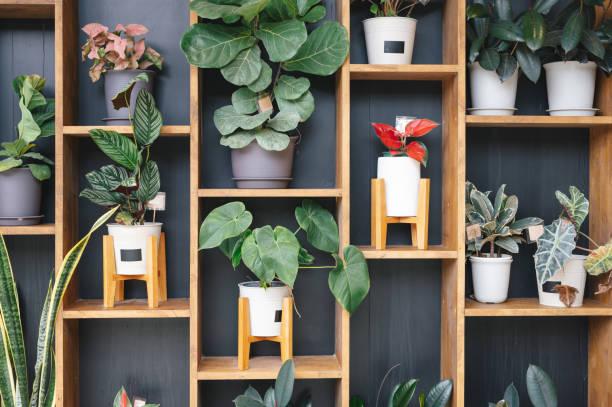
Artificial Plants Market trends are reshaping the way homeowners, interior designers, architects, and commercial property developers approach modern decoration. Artificial greenery has evolved beyond traditional decorative products into versatile interior design elements that bring visual freshness to residential and commercial environments. Changing lifestyles, growing urbanization, and increasing interest in aesthetically appealing spaces are encouraging consumers to explore decorative alternatives that require minimal maintenance. From contemporary apartments to luxury hotels, artificial plants are becoming an attractive choice for people seeking natural-looking surroundings without the regular responsibilities associated with living plants.
The growing popularity of modern decorative products is encouraging manufacturers to develop realistic designs, improved materials, and innovative product collections. The demand for artificial greenery and decorative foliage solutions reflects the increasing interest in combining convenience with attractive interior styling. Consumers are exploring artificial succulents, hanging plants, decorative trees, floral arrangements, and preserved-looking greenery to complement different design preferences. These products offer flexibility in placement and allow homeowners to introduce greenery into areas where natural sunlight, watering facilities, or suitable growing conditions may be unavailable.
Interior design preferences are also influencing purchasing decisions across residential spaces. Modern homeowners increasingly prefer interiors that create a relaxing atmosphere while maintaining a sophisticated appearance. Artificial plants provide an opportunity to introduce greenery into living rooms, bedrooms, kitchens, balconies, and home offices without changing existing arrangements. Their availability in different sizes, shapes, textures, and colors makes them suitable for minimalist, contemporary, traditional, and luxury-inspired interiors. Designers are also incorporating artificial foliage into wall decorations, shelving arrangements, decorative corners, and statement installations to create visually balanced environments.
Commercial applications are providing another important area of development. Hotels, restaurants, shopping centers, corporate offices, and entertainment venues frequently use decorative greenery to improve the appearance of their interiors. Businesses require attractive environments that create positive impressions among visitors, customers, and employees. Artificial plants can support these requirements because they maintain their appearance without regular watering, pruning, or specialized lighting. Large artificial trees, green walls, tabletop arrangements, and hanging installations are increasingly useful for businesses that want consistent decorative presentation throughout their premises.
Product innovation is becoming an important competitive factor among manufacturers. Improvements in manufacturing techniques are helping producers create artificial leaves with more realistic textures, natural color variations, flexible branches, and detailed surface patterns. Some products are designed using silk, polyester, plastic, and other synthetic materials to achieve different appearances and price points. Manufacturers are also experimenting with improved construction methods to make stems, flowers, and foliage look more natural. These developments are helping artificial greenery appeal to customers who previously preferred living plants for their decorative value.
Online retail is creating additional opportunities for product discovery and consumer engagement. E-commerce platforms allow customers to compare decorative styles, dimensions, materials, and prices before making purchasing decisions. High-quality product photographs, interior styling demonstrations, customer reviews, and room inspiration content help shoppers understand how artificial plants may complement their surroundings. Social media platforms are also influencing purchasing behavior through interior decoration videos, home improvement creators, and visual lifestyle content. Retailers that provide clear product descriptions and practical styling suggestions can strengthen customer confidence and improve the overall shopping experience.
Despite promising opportunities, manufacturers and retailers must address several challenges to maintain customer satisfaction. Some buyers remain concerned about unrealistic appearances, material quality, fading, and product durability. Environmental considerations surrounding synthetic materials and disposal practices are also becoming increasingly important. Businesses can respond by improving product quality, providing transparent material information, developing longer-lasting collections, and exploring recyclable or alternative materials where commercially practical. Effective packaging and responsible manufacturing practices may further strengthen brand reputation among environmentally conscious consumers.
Looking ahead, the artificial plants industry is positioned to benefit from changing interior decoration preferences, commercial renovation activities, online retail expansion, and continuous product development. Demand for customizable decorative arrangements and realistic-looking greenery may encourage manufacturers to introduce more specialized collections for different customer groups. The combination of visual appeal, placement flexibility, and convenient maintenance is likely to remain central to product positioning. As consumers continue investing in attractive living and working environments, artificial greenery can maintain an important role in the evolving home décor and commercial decoration landscape.
FAQs
Q1. What are the major trends in the Artificial Plants Market?
Realistic foliage designs, customized arrangements, decorative green walls, and online retail are important trends.
Q2. Why are artificial plants popular in interior design?
They provide decorative greenery without requiring regular watering or sunlight.
Q3. Which applications are creating demand for artificial plants?
Residential interiors, hotels, offices, restaurants, and shopping centers are important applications.
- Memes & Cultura da Comunidade
- Artigos e Análises
- Pessoal
- Oportunidade
- Projeto
- Conhecimento
- Dúvidas & Pedidos de Ajuda
- Reflexões & Opiniões
- Tendências
- Jeux
- Lançamentos & Anúncios
- Saúde & Bem Estar
- Eventos & Convites
- Conteúdo Técnico
- Entretenimento
- Networking
- Festas & Festivais
- Religião
- Iniciativas de Impacto
 French
 English
 Arabic
 Spanish
 Portuguese
 Deutsch
 Turkish
 Dutch
 Italiano
 Russian
 Romaian
 Portuguese (Brazil)
 Greek