


Animal Feed Acid Market Growth Driven by Modern Livestock Nutrition
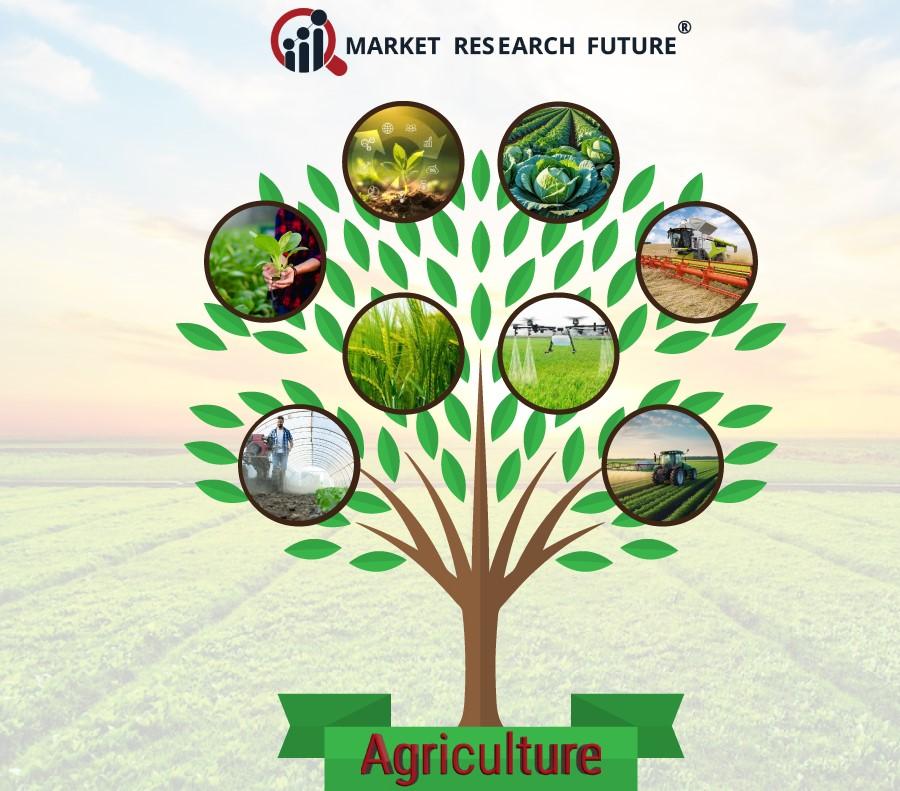
Animal Feed Acid Market growth is gaining attention as livestock producers increasingly focus on improving animal nutrition, maintaining digestive health, and supporting efficient feed utilization. Animal feed acids have become important components in modern feeding strategies because they help manage feed quality and create favorable conditions for animal digestion. These additives are commonly incorporated into different feed formulations for poultry, swine, cattle, and other livestock. As commercial farming operations become more focused on productivity and animal well-being, the importance of nutritional feed ingredients continues to increase. Feed manufacturers are also exploring specialized formulations that support consistent nutritional performance while addressing changing livestock production requirements.
The growing interest in nutritional efficiency is encouraging manufacturers to explore advanced livestock feed acidification solutions that support feed preservation and digestive management. Organic acids and acid-based ingredients are widely considered in livestock nutrition because they can contribute to controlling undesirable microbial activity and maintaining feed hygiene. These ingredients also support feed formulation strategies designed around the nutritional requirements of different animal categories. Producers are increasingly evaluating ingredient compatibility, application methods, and feed composition when selecting suitable acid additives. This focus on formulation quality is creating opportunities for specialized feed ingredient suppliers to introduce products that meet the evolving expectations of commercial animal nutrition businesses.
Feed quality remains an important consideration throughout livestock production because the nutritional condition of feed directly influences feeding efficiency and farm management practices. Animal feed acids are used in different formulations to help manage microbial challenges and support feed stability during storage. Poor feed handling and unsuitable storage conditions can affect ingredient quality, making preservation an important concern for feed manufacturers. Acid-based additives can form part of broader feed management programs that emphasize hygiene, ingredient consistency, and nutritional reliability. As commercial feed production becomes increasingly organized, manufacturers are paying greater attention to ingredient selection and processing methods that help maintain dependable product quality.
Another important factor influencing the industry is the growing focus on reducing unnecessary dependence on conventional feed additives. Livestock producers are increasingly exploring nutritional approaches that support animal performance through improved feed formulation and responsible ingredient management. Organic acids, including formic, propionic, lactic, citric, and fumaric acids, are considered for different feed applications depending on formulation requirements. Their functional characteristics make them relevant to feed preservation, microbial management, and digestive support strategies. Feed manufacturers are therefore investing attention in understanding how different acid ingredients perform across animal species and production environments while maintaining compatibility with other nutritional components.
Technological developments in feed manufacturing are also influencing product innovation. Modern feed mills are adopting improved blending, coating, storage, and quality-control processes to achieve consistent feed formulations. These developments create opportunities for acid manufacturers to develop products with better handling characteristics and application flexibility. Liquid and powdered formulations can serve different processing requirements, while specialized blends may help manufacturers simplify ingredient selection. Research into feed composition and ingredient performance is also encouraging greater collaboration between nutritional specialists, feed producers, and additive suppliers. Such developments are helping the industry respond to changing requirements across commercial livestock operations.
Regional demand is influenced by livestock farming practices, feed manufacturing infrastructure, agricultural development, and awareness of animal nutrition. Established livestock-producing regions continue to emphasize feed quality and nutritional management, while developing agricultural economies are strengthening their commercial feed production capabilities. Poultry and swine operations often require carefully managed feeding programs, whereas cattle nutrition involves different formulation considerations. These differences influence the selection of acid-based ingredients across regional markets. Distribution networks, product availability, regulatory requirements, and technical support also play important roles in determining how feed acid products reach manufacturers and livestock producers.
The competitive environment includes companies involved in animal nutrition, feed additives, organic acid production, and specialized ingredient manufacturing. Industry participants focus on product development, manufacturing capabilities, distribution partnerships, and customer support to strengthen their market presence. Companies are also exploring opportunities to improve product consistency and develop formulations suitable for different livestock categories. Educational initiatives and technical guidance can help feed manufacturers understand the appropriate applications of acid-based additives. As livestock production continues to evolve, suppliers that combine reliable product quality with application knowledge may be better positioned to address changing customer expectations.
Looking ahead, the Animal Feed Acid Market is expected to remain relevant to the broader development of livestock nutrition and feed manufacturing. Increasing attention to feed hygiene, digestive management, ingredient quality, and responsible animal production is encouraging continued interest in specialized feed additives. Manufacturers are likely to emphasize formulation flexibility, product reliability, and compatibility with modern feed processing systems. At the same time, changing consumer expectations regarding food quality and livestock management will influence ingredient selection across the supply chain. Continued innovation and collaboration between feed producers and nutritional specialists will remain important for supporting the industry's long-term development.
What are animal feed acids used for?
Animal feed acids help support feed preservation, microbial management, and digestive health in livestock nutrition programs.
Which acids are commonly used in animal feed?
Formic, propionic, lactic, citric, and fumaric acids are commonly considered in feed formulations.
What influences demand for animal feed acids?
Livestock production, feed quality requirements, nutritional awareness, and commercial feed manufacturing influence demand.
Browse More Reports
- Memes & Cultura da Comunidade
- Artigos e Análises
- Pessoal
- Oportunidade
- Projeto
- Conhecimento
- Dúvidas & Pedidos de Ajuda
- Reflexões & Opiniões
- Tendências
- Игры
- Lançamentos & Anúncios
- Saúde & Bem Estar
- Eventos & Convites
- Conteúdo Técnico
- Entretenimento
- Networking
- Festas & Festivais
- Religião
- Iniciativas de Impacto
 Russian
 English
 Arabic
 French
 Spanish
 Portuguese
 Deutsch
 Turkish
 Dutch
 Italiano
 Romaian
 Portuguese (Brazil)
 Greek