


The Future of Connectivity: Exploring the Top Emerging API Management Market Trends
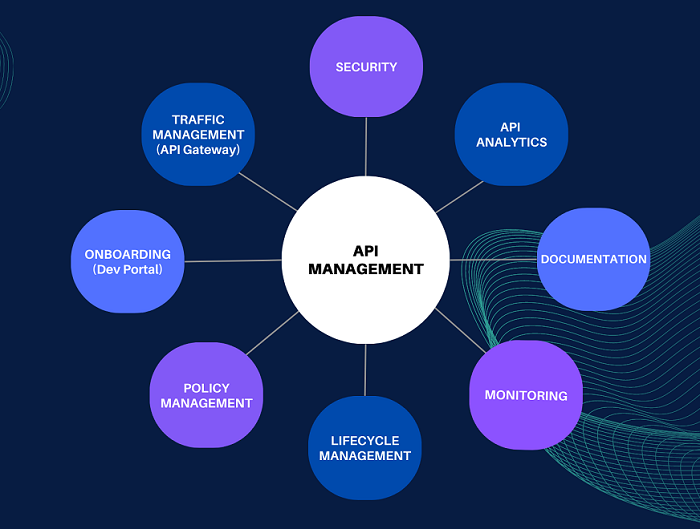
The API management landscape is in a constant state of innovation, with several key API Management Market Trends shaping the future of how organizations connect their digital services. These trends are moving the industry beyond the management of simple RESTful APIs towards a more sophisticated, secure, and automated future. One of the most significant of these is the diversification of API protocols. While REST has been the dominant standard for years, there is a growing adoption of other protocols like GraphQL, gRPC, and asynchronous protocols like WebSockets and Kafka. GraphQL, in particular, is gaining popularity because it allows clients to request exactly the data they need and nothing more. This requires API management platforms to evolve from being REST-centric to becoming protocol-agnostic, capable of applying security and governance policies across a diverse range of API types.
Another transformative trend is the convergence of API management with the service mesh. A traditional API gateway manages "north-south" traffic (requests coming from outside the network). A service mesh, on the other hand, is designed to manage "east-west" traffic (communication between internal microservices). The trend is towards unifying the management of both. This allows organizations to have a single control plane for applying consistent security policies, observability, and traffic management rules across all their services, whether internal or external. This holistic approach simplifies operations, enhances security, and provides a complete picture of the entire application network, breaking down the artificial barrier between the API gateway and the internal service-to-service communication layer.
Enhanced API security is a trend that has moved from being important to being absolutely critical. As APIs become the primary way to access sensitive data and functionality, they have also become a prime target for attackers. The OWASP API Security Top 10 list highlights the unique vulnerabilities that APIs face. In response, the trend is towards more intelligent and layered API security solutions. This includes not just standard authentication and authorization but also the use of AI and machine learning to detect anomalies in API traffic that might indicate an attack. API management platforms are increasingly integrating with Web Application Firewalls (WAFs) and bot detection systems, and they are providing tools for deep API discovery and risk assessment, helping organizations find and secure all their APIs, including undocumented "shadow" APIs.
Finally, there is a strong trend towards "API-as-a-Product," which involves applying product management principles to the entire API lifecycle. This means that APIs are no longer treated as a purely technical implementation detail but as strategic business assets with a clear value proposition, target audience (developers), and roadmap. This trend is driving the need for more sophisticated developer portals that offer a superb developer experience (DX), with features like interactive documentation, self-service onboarding, and clear analytics. It also emphasizes the importance of full lifecycle management tools that help teams design, version, and retire APIs in a planned and disciplined manner, just as they would with any other software product, ensuring their long-term value and sustainability.
Explore More Like This in Our Regional Reports:
Canada Open Source Intelligence (Osint) Market
- Memes & Cultura da Comunidade
- Artigos e Análises
- Pessoal
- Oportunidade
- Projeto
- Conhecimento
- Dúvidas & Pedidos de Ajuda
- Reflexões & Opiniões
- Tendências
- Jeux
- Lançamentos & Anúncios
- Saúde & Bem Estar
- Eventos & Convites
- Conteúdo Técnico
- Entretenimento
- Networking
- Festas & Festivais
- Religião
- Iniciativas de Impacto
 French
 English
 Arabic
 Spanish
 Portuguese
 Deutsch
 Turkish
 Dutch
Dutch
 Italiano
 Russian
 Romaian
 Portuguese (Brazil)
 Greek
Greek