


The Key Players in the Game: Examining the Global E-Sports Market Share
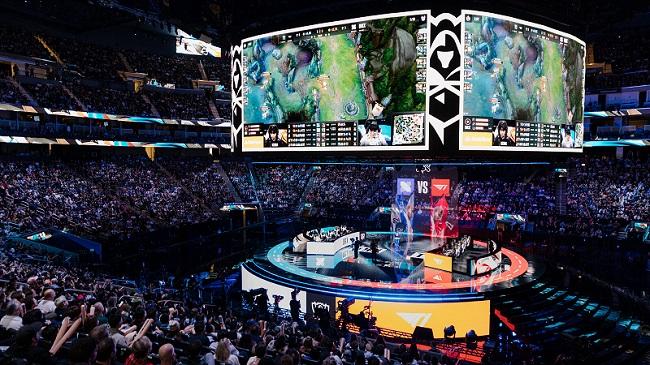
The global E-Sports Market Share is a complex and multi-layered concept, as it is not a single market but an ecosystem where different entities compete for different kinds of share—share of revenue, share of viewership, and share of influence. The competitive landscape is not defined by a single company but by the dynamic interplay between several key categories of stakeholders: the game publishers who create the games, the tournament organizers who produce the events, the e-sports teams who field the talent, and the streaming platforms that broadcast the content. Understanding how share is distributed among these players is crucial to comprehending the power dynamics and competitive structure of the entire industry.
At the very top of the hierarchy, the game publishers hold the most fundamental and powerful position. Companies like Riot Games (League of Legends, Valorant), Valve Corporation (Dota 2, Counter-Strike), and Activision Blizzard (Overwatch, Call of Duty) are the ultimate gatekeepers. They own the intellectual property (IP) of the games themselves and therefore have absolute control over their competitive ecosystems. They can choose to run their own closed, franchised leagues, or they can license out the rights to third-party organizers. This control over the IP gives them the largest and most foundational share of influence and often, a direct cut of league revenues, making their strategic decisions the single most important factor shaping the market.
In the space of event production, the market share is contested by a number of major third-party tournament organizers. Companies like ESL (now part of Savvy Games Group) and BLAST are global leaders, organizing massive tournaments and circuits across multiple game titles. They compete for broadcast rights, sponsorship deals, and the participation of top teams. Their business model relies on their expertise in producing high-quality live events and broadcasts. They hold a significant share of the market for "open ecosystem" games and often partner with publishers to run official circuits, acting as the essential production backbone for a large portion of the professional e-sports calendar.
The market share of brand recognition and fan loyalty is fiercely contested among the e-sports organizations, or teams. Iconic teams like TSM, FaZe Clan, Team Liquid, and G2 Esports have built massive global fanbases. They compete not only for tournament winnings but also for sponsorship dollars, merchandise sales, and viewership on their players' personal streams. Their share of the market is measured in brand value and fan engagement, which they monetize through partnerships with both endemic (gaming-related) and non-endemic brands. On the distribution side, streaming platforms Twitch and YouTube are locked in a battle for the share of viewership, competing for exclusive broadcast rights to major leagues and the loyalty of the most popular e-sports personalities and their communities.
Explore More Like This in Our Regional Reports:
Spain AI Meeting Assistants Market
- Memes & Cultura da Comunidade
- Artigos e Análises
- Pessoal
- Oportunidade
- Projeto
- Conhecimento
- Dúvidas & Pedidos de Ajuda
- Reflexões & Opiniões
- Tendências
- Jocuri
- Lançamentos & Anúncios
- Saúde & Bem Estar
- Eventos & Convites
- Conteúdo Técnico
- Entretenimento
- Networking
- Festas & Festivais
- Religião
- Iniciativas de Impacto
 Romaian
 English
 Arabic
 French
 Spanish
 Portuguese
 Deutsch
 Turkish
 Dutch
Dutch
 Italiano
 Russian
 Portuguese (Brazil)
 Greek
Greek