


Bio-plasticizers Market High Performance Citrate Esters and Sustainable Food Packaging Excellence
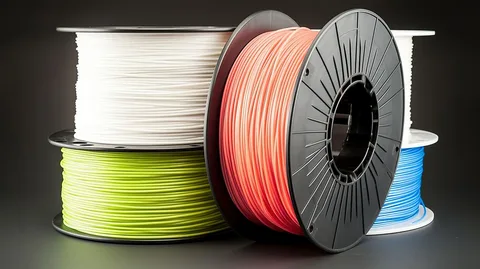
The global "resource-security" and specialized "green-textile" landscape of early 2026 is defined by a rigorous focus on "toxic-phase-out" excellence and the maintenance of high-performance sustainability standards. The bio-plasticizers market has emerged as a foundational technology in this environment, where the shift toward Citrate and Sebacate Esters for synthetic leather and performance apparel is accelerating. Valued for their exceptional ability to reduce carbon footprints—a factor driving the Apparel and Flooring segments toward significant gains—these chemicals are essential for the "safety-first" supply chain in the premium global fashion and interior design sectors. As governments implement stricter "Zero Discharge of Hazardous Chemicals" (ZDHC) standards, the role of Phthalate-Free and Bio-attributed Additives has become paramount for providing the biochemical and ethical foundations of modern, high-cycle fashion production.
According to a recent report by Market Research Future, the Bio-plasticizers Market is witnessing a transformative era of growth driven by the expansion of the global sustainable transport, pharmaceutical packaging, and specialized construction sectors. The industry is recording significant gains as it pivots toward Bio-based Succinates for wires and cables. This trajectory is a central focus of the latest Bio-plasticizers Market Insights, which highlights Europe and North America as the leading regional markets due to the surge in stringent chemical safety regulations and consumer demand for "Clean-Label" products.
Looking toward 2035, the market is poised to be redefined by "High-Resolution Fiber-to-Fiber Circularity" and the expansion of the "waste-oil-refining" niche. We are seeing a significant move toward the development of plasticizers derived from used cooking oils and agricultural waste, helping brands align with tightening global ESG mandates and the requirements for total lifecycle transparency. Additionally, the move toward "Blockchain-Verified Chemical Traceability"—utilizing digital twins to track the safety profile and bio-content of every batch from feedstock to final garment—is helping the industry achieve its long-term objective of total supply chain transparency. By 2035, the market will likely be defined by Ecological Integrity, providing the essential, low-impact, and high-fidelity material foundations required to support a more technologically advanced and resource-conscious global energy infrastructure.
- Memes & Cultura da Comunidade
- Artigos e Análises
- Pessoal
- Oportunidade
- Projeto
- Conhecimento
- Dúvidas & Pedidos de Ajuda
- Reflexões & Opiniões
- Tendências
- الألعاب
- Lançamentos & Anúncios
- Saúde & Bem Estar
- Eventos & Convites
- Conteúdo Técnico
- Entretenimento
- Networking
- Festas & Festivais
- Religião
- Iniciativas de Impacto

 English
 French
 Spanish
 Portuguese
 Deutsch
 Turkish
 Dutch
 Italiano
 Russian
 Romaian
 Portuguese (Brazil)
 Greek