


The Heat is On: Key Drivers Behind Rapid Data Center Cooling Market Growth
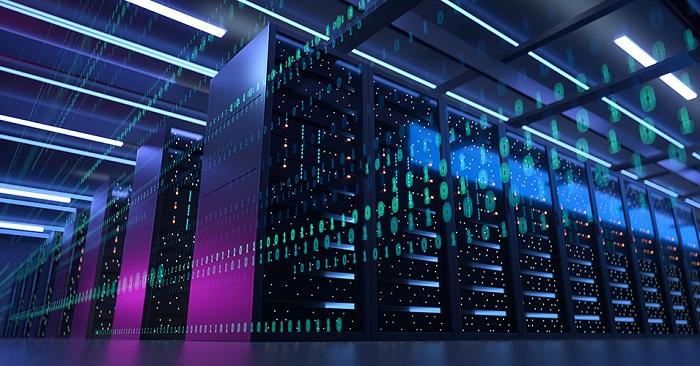
The global demand for data processing and storage is exploding, and with it, the need for more powerful and efficient thermal management solutions. This surge is the primary force behind the exceptional Data Center Cooling Market Growth observed in recent years. This growth is not a monolithic trend but is fueled by a confluence of powerful technological and market drivers. At the forefront is the proliferation of cloud computing and the rise of hyperscale data centers operated by giants like Amazon, Google, and Microsoft. These massive facilities, housing hundreds of thousands of servers, require cooling solutions on an unprecedented scale, driving innovation in efficiency and cost-effectiveness. Simultaneously, the explosion of data from the Internet of Things (IoT), social media, and video streaming services is increasing the density and processing load on data centers worldwide. Each of these trends contributes to a greater overall heat load that must be managed, creating a constantly expanding market for both the construction of new cooling infrastructure and the retrofitting of older, less efficient facilities, ensuring a robust and sustained growth trajectory for the foreseeable future.
Perhaps the single most potent catalyst for growth in the advanced cooling market is the widespread adoption of Artificial Intelligence (AI) and Machine Learning (ML) workloads. These applications rely on high-performance processors, particularly Graphics Processing Units (GPUs) and other accelerators, which consume vast amounts of power and, in turn, generate extreme levels of heat. A single server rack dedicated to AI training can have a power density exceeding 100 kW, far beyond what traditional air cooling systems can effectively and efficiently handle. This has created an urgent and non-negotiable demand for high-density cooling solutions, particularly direct-to-chip liquid cooling and immersion cooling. These technologies, once considered niche, are now becoming standard requirements for any organization looking to deploy AI at scale. As AI becomes more integrated into every aspect of business and science, the demand for the specialized cooling infrastructure required to support it will continue to be a primary engine of market growth, pushing the industry towards more innovative and powerful thermal management solutions.
Another significant driver of market growth is the expansion of edge computing. In contrast to the centralized model of hyperscale data centers, edge computing involves deploying smaller, localized data centers closer to the end-users and data sources. These edge facilities are crucial for applications requiring low latency, such as autonomous vehicles, real-time analytics, and augmented reality. However, they present a unique set of cooling challenges. Edge data centers are often located in non-traditional, space-constrained, and sometimes harsh environments without the robust infrastructure of a large data hall. This creates a demand for compact, modular, ruggedized, and highly efficient cooling solutions that can operate reliably with minimal oversight. The need for these specialized edge cooling systems, from small in-row coolers to self-contained liquid cooling units, represents a rapidly growing new segment of the overall market, complementing the growth seen in the large-scale centralized facilities and diversifying the range of products and solutions required.
Finally, the increasing focus on sustainability and energy efficiency is a powerful, market-shaping driver of growth. Data centers are enormous consumers of electricity, and cooling is one of the largest components of their energy bill. With rising energy costs and growing pressure from regulators, investors, and customers to reduce carbon footprints, data center operators are highly motivated to invest in more energy-efficient cooling technologies. This is not just about environmental responsibility; it's about economic viability. Upgrading to a more efficient cooling system can result in significant operational savings and a lower Power Usage Effectiveness (PUE) ratio, a key industry benchmark. This drive for efficiency is accelerating the transition from older, energy-intensive CRAC units to modern solutions like liquid cooling, free cooling, and AI-powered thermal optimization software. The pursuit of "green" data centers is therefore a major force compelling investment in new cooling hardware and software, effectively creating a replacement cycle that fuels market growth even in the absence of new construction.
Explore Our Latest Trending Reports:
- Memes & Cultura da Comunidade
- Artigos e Análises
- Pessoal
- Oportunidade
- Projeto
- Conhecimento
- Dúvidas & Pedidos de Ajuda
- Reflexões & Opiniões
- Tendências
- Jogos
- Lançamentos & Anúncios
- Saúde & Bem Estar
- Eventos & Convites
- Conteúdo Técnico
- Entretenimento
- Networking
- Festas & Festivais
- Religião
- Iniciativas de Impacto
 Portuguese (Brazil)
 English
 Arabic
 French
 Spanish
 Portuguese
 Deutsch
 Turkish
 Dutch
Dutch
 Italiano
 Russian
 Romaian
 Greek
Greek