


Deconstructing the Competitive Landscape of the Nigeria Telecom Market
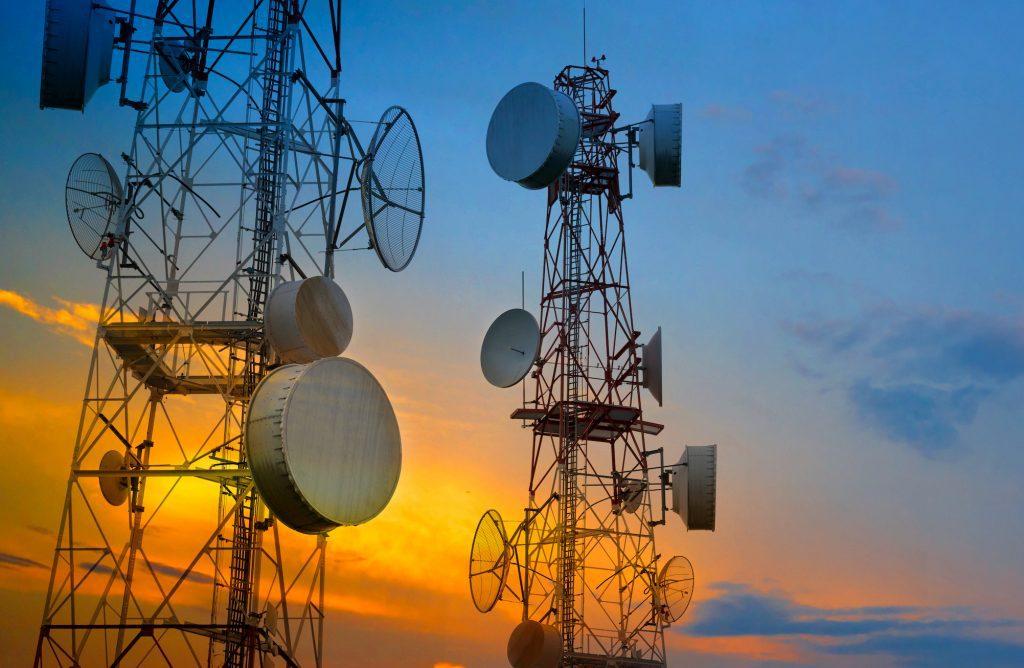
The battle for subscribers and market share in Africa's most dynamic communications arena is both intense and constantly evolving. A comprehensive analysis of the Nigeria Telecom Market reveals a landscape dominated by four major Mobile Network Operators (MNOs), each with its own distinct strategy and market position. This competitive environment is a key driver of innovation and investment, as these players vie for the loyalty of millions of consumers and enterprise customers. The market's structure, regulatory framework, and the aggressive expansion strategies of these core operators are the defining factors that shape the availability, quality, and cost of telecommunication services across the nation, making it a critical area of focus for investors and policymakers alike.
At the forefront of this competition are the "big four": MTN Nigeria, Airtel Nigeria, Globacom (Glo), and 9mobile. MTN, as the long-standing market leader, has consistently invested heavily in network quality and the expansion of its 4G and 5G footprint, alongside a major push into digital financial services. Airtel has emerged as a formidable challenger, known for its competitive data pricing and strong growth in both the consumer and enterprise segments. Globacom, a proudly Nigerian-owned operator, has built a loyal customer base, often competing on the value and size of its data bundles. 9mobile, while smaller in subscriber numbers, continues to compete by focusing on specific market segments and service quality. This intense rivalry directly benefits consumers through more competitive pricing and a continuous cycle of network upgrades.
Beyond the core MNOs, the market ecosystem is becoming increasingly complex and includes other vital players. Tower companies, such as IHS Towers and American Tower Corporation (ATC), own and manage a significant portion of the passive infrastructure, leasing space to the operators in a model that promotes efficiency and faster network rollouts. A growing number of internet service providers (ISPs) and fiber optic infrastructure companies are also key to expanding fixed broadband access, particularly in major urban centers. The interplay between these MNOs, infrastructure providers, and the national regulator, the Nigerian Communications Commission (NCC), defines the operational reality and future direction of this vibrant market.
- Memes & Cultura da Comunidade
- Artigos e Análises
- Pessoal
- Oportunidade
- Projeto
- Conhecimento
- Dúvidas & Pedidos de Ajuda
- Reflexões & Opiniões
- Tendências
- Jogos
- Lançamentos & Anúncios
- Saúde & Bem Estar
- Eventos & Convites
- Conteúdo Técnico
- Entretenimento
- Networking
- Festas & Festivais
- Religião
- Iniciativas de Impacto
 Portuguese (Brazil)
 English
 Arabic
 French
 Spanish
 Portuguese
 Deutsch
 Turkish
 Dutch
Dutch
 Italiano
 Russian
 Romaian
 Greek
Greek