


A Competitive Analysis of the Global Smart Toys Market Share
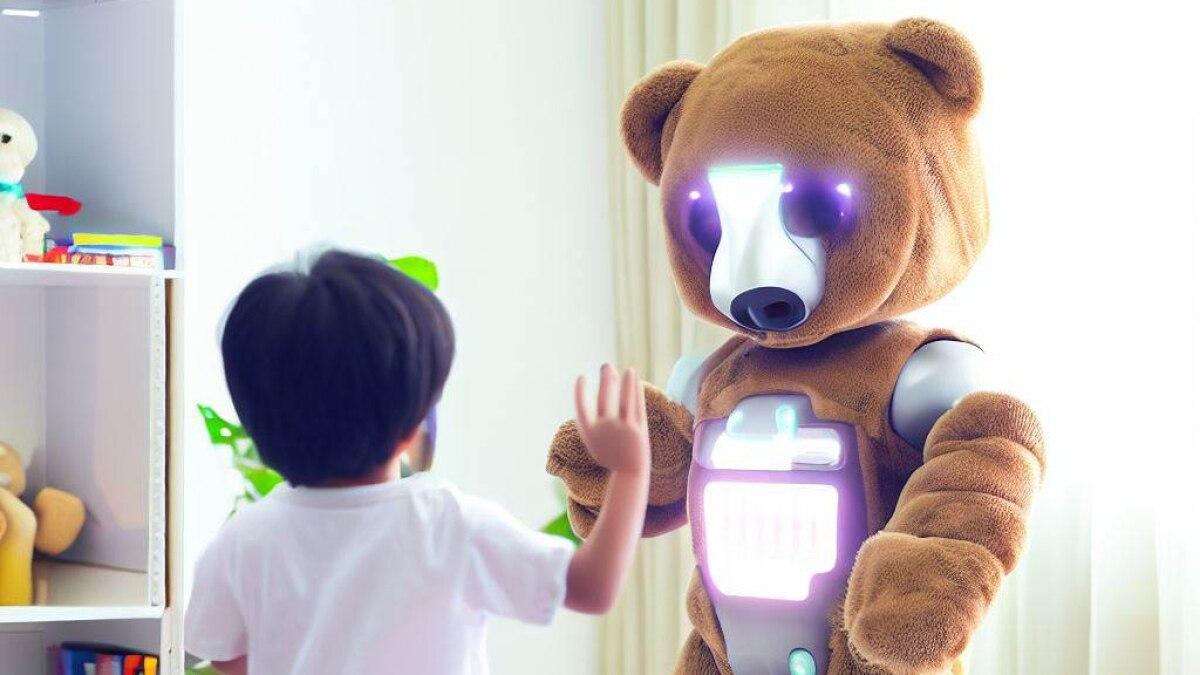
The competitive landscape for smart toys is a fascinating and dynamic arena where the established titans of the traditional toy industry are competing and collaborating with innovative technology startups and consumer electronics giants for a slice of the Smart Toys Market Share. This is a complex market where success requires a unique blend of expertise in toy design, child development, software engineering, and consumer electronics manufacturing. The distribution of market share is not determined by a single factor but by a combination of brand recognition and trust, the strength of licensed intellectual property (IP), the user-friendliness of the software and app experience, and the ability to secure placement on the shelves of major retailers. The market is currently led by the large, incumbent toy companies who have successfully integrated technology into their beloved brands, but they are facing constant pressure from agile startups who are often more technologically advanced and can innovate more quickly. The battle for market leadership is a contest to see who can best merge the magic of physical play with the engagement of the digital world.
The Dominance of Traditional Toy Giants: LEGO, Mattel, and Hasbro
The largest portion of the smart toys market share is held by the giants of the traditional toy industry, most notably LEGO, Mattel, and Hasbro. These companies have a massive competitive advantage due to their globally recognized and beloved brands, their deep understanding of play patterns and child development, and their immense power in the global retail and distribution channels. Their strategy has been to "smarten up" their existing, iconic product lines. LEGO has been a master of this with its Mindstorms robotics platform and its various app-connected building sets (like the Hidden Side and Super Mario lines), which seamlessly blend physical building with digital gameplay. Mattel has integrated technology into its iconic Barbie and Hot Wheels brands, creating products like the "Hello Barbie" conversational doll and the "Hot Wheels id" system that brings a video game-like experience to physical track play. Hasbro has similarly incorporated app-based experiences into its board games and action figures. By leveraging their existing, multi-billion-dollar brands, these incumbents have a built-in audience and a level of trust with parents that new entrants find very difficult to replicate, securing their dominant market position.
The Rise of Ed-Tech and Robotics Startups
Challenging the incumbents is a vibrant and innovative ecosystem of startups that are approaching the market from a technology-first and education-first perspective. These companies, often categorized as "Ed-Tech" (Education Technology) vendors, have been the primary drivers of innovation, particularly in the STEM and coding toy segment. Companies like Sphero (with its programmable robotic balls), Wonder Workshop (with its Dash and Dot robots), and Anki (before its closure, with its Cozmo and Vector robots) have captured significant market share and mindshare by creating products that are both highly engaging and deeply educational. Their competitive advantage lies in their software expertise and their focus on a seamless and intuitive user experience. They have developed powerful, block-based coding applications that make the complex concepts of programming accessible and fun for young children. While they may lack the brand recognition of a Mattel or Hasbro, they have built strong grassroots communities of educators and parents who are passionate about their products. These Ed-Tech startups have effectively created the market for coding toys and continue to push the boundaries of what is possible in educational play.
The Influence of Consumer Electronics and Entertainment Companies
A third and increasingly influential group of players in the smart toys market are the major consumer electronics and entertainment companies. Consumer electronics giants like Sony and Nintendo are players through their gaming consoles, which are increasingly blurring the lines between video games and physical toys (e.g., Nintendo's Labo and amiibo figures). Tech giants like Amazon and Google are also entering the space, leveraging their expertise in voice assistants and AI. The Amazon Echo Dot Kids Edition and similar devices, while not traditional "toys," function as interactive, conversational companions for children, competing for the same playtime. The most powerful influence, however, comes from the major entertainment companies, particularly Disney. Disney's control over a vast universe of incredibly popular characters (from Mickey Mouse and the Disney Princesses to Star Wars and Marvel) makes it a kingmaker in the toy industry. By licensing its IP to a smart toy manufacturer, Disney can almost guarantee a blockbuster hit. The company is also a direct player through its own R&D, developing advanced animatronics and interactive experiences for its theme parks that often trickle down into consumer products, making it a central and powerful force in the competitive landscape.
➤ In-Depth Market Studies by Market Research Future:
- Memes & Cultura da Comunidade
- Artigos e Análises
- Pessoal
- Oportunidade
- Projeto
- Conhecimento
- Dúvidas & Pedidos de Ajuda
- Reflexões & Opiniões
- Tendências
- Игры
- Lançamentos & Anúncios
- Saúde & Bem Estar
- Eventos & Convites
- Conteúdo Técnico
- Entretenimento
- Networking
- Festas & Festivais
- Religião
- Iniciativas de Impacto
 Russian
 English
 Arabic
 French
 Spanish
 Portuguese
 Deutsch
 Turkish
 Dutch
Dutch
 Italiano
 Romaian
 Portuguese (Brazil)
 Greek
Greek