


Mastering Sponsor Oversight in Clinical Trials: Ensuring Quality and Compliance
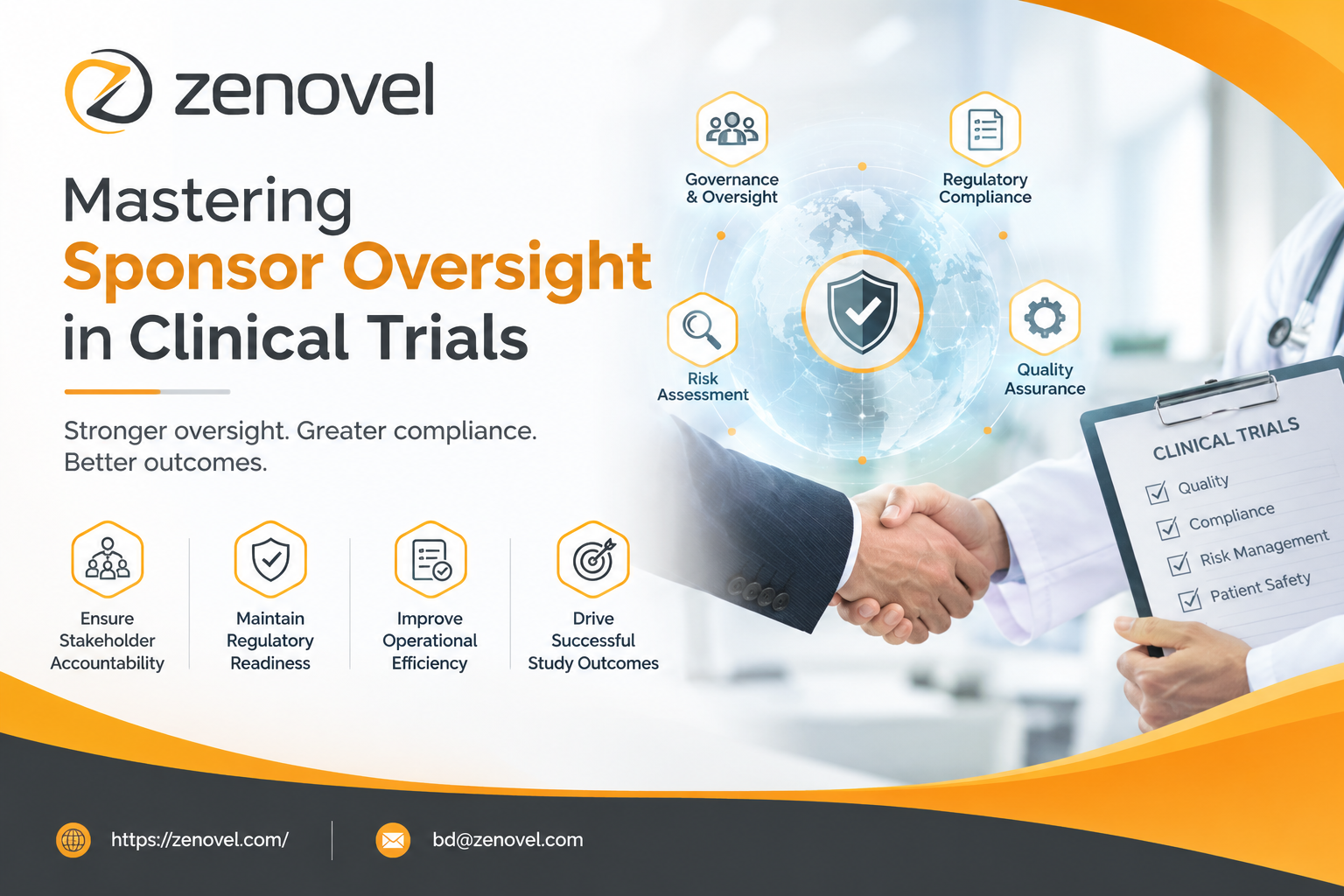
In modern clinical research, outsourcing operational tasks to Contract Research Organizations (CROs), vendors, and central laboratories is standard practice. However, there is one critical responsibility that a pharmaceutical or biotech sponsor can never outsource: sponsor oversight.
Regulatory authorities worldwide—including the US FDA, EMA, and CDSCO—make it explicitly clear that transferring operational duties does not transfer ultimate accountability. Robust, documented oversight is the linchpin of patient safety, data integrity, and successful regulatory inspections.
Why Sponsor Oversight Matters
When regulatory inspectors walk into a sponsor's facility, they do not just look at the final study report; they evaluate how closely the sponsor monitored their external partners. A lack of active, documented oversight is routinely cited in warning letters as a failure of quality management.
Effective oversight ensures that trials remain aligned with protocol designs, ethical standards, and Good Clinical Practice (GCP) guidelines, catching potential risks before they compromise the trial.
Key Pillars of Effective Sponsor Oversight
-
Robust Vendor Qualification and Selection: Oversight begins long before a trial starts. Sponsors must conduct comprehensive audits and qualification assessments of all prospective CROs and vendors. Evaluating their historical performance, quality systems, and technical capacity ensures you are partnering with organizations equipped to handle your trial's specific complexity.
-
Comprehensive Quality Agreements (QAs): Ambiguity is the enemy of compliance. Every outsourcing relationship must be anchored by a clearly defined Quality Agreement that explicitly outlines responsibilities, communication pathways, escalation procedures, and performance metrics. Both parties must understand who owns specific tasks.
-
Risk-Based Monitoring (RBM) and Centralized Tracking: Traditional 100% source data verification is inefficient. Modern sponsor oversight leverages Risk-Based Monitoring and Key Risk Indicators (KRIs) to track critical data streams remotely. By monitoring metrics like protocol deviations, recruitment velocity, and query resolution times in real time, sponsors can direct resources toward high-risk sites or operational bottlenecks.
-
Active Governance and Documentation: Oversight cannot be passive or informal. Regular steering committee meetings, joint quality reviews, and routine audit logs of CRO activities must be meticulously documented. If an oversight activity is not written down, from a regulatory perspective, it did not happen.
-
Corrective and Preventive Action (CAPA) Management: Issues will inevitably arise during a multi-center trial. Effective sponsor oversight involves tracking deviations through to root-cause analysis and ensuring that robust CAPA plans are implemented and verified across all participating vendors and sites.
Shifting from Reactive to Proactive Leadership
Maintaining vigilant sponsor oversight requires internal expertise, structured frameworks, and dedicated compliance bandwidth. Organizations that master this balance protect their trial timelines, minimize compliance exposure, and build unshakeable confidence during regulatory reviews.
To optimize your vendor management frameworks, strengthen trial governance, and guarantee total GCP compliance, explore the specialized clinical research and quality assurance solutions offered by Zenovel.
- Memes & Cultura da Comunidade
- Artigos e Análises
- Pessoal
- Oportunidade
- Projeto
- Conhecimento
- Dúvidas & Pedidos de Ajuda
- Reflexões & Opiniões
- Tendências
- Giochi
- Lançamentos & Anúncios
- Saúde & Bem Estar
- Eventos & Convites
- Conteúdo Técnico
- Entretenimento
- Networking
- Festas & Festivais
- Religião
- Iniciativas de Impacto
 Italiano
 English
 Arabic
 French
 Spanish
 Portuguese
 Deutsch
 Turkish
 Dutch
Dutch
 Russian
 Romaian
 Portuguese (Brazil)
 Greek
Greek