


The Changing Signal: Top Trends in the Mission Critical Communication Market
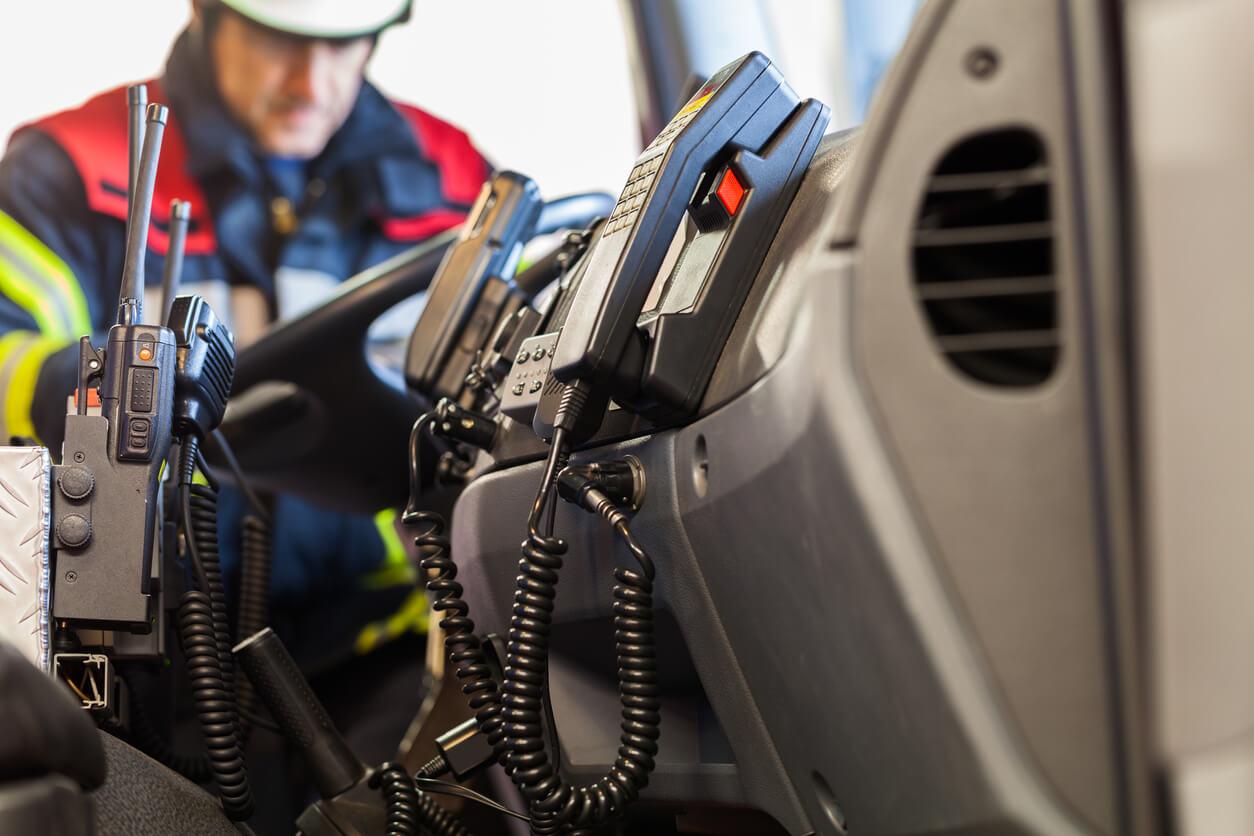
Navigating the Key Trends Reshaping Critical Communications
The mission-critical communication market, traditionally known for its slow and deliberate pace of change, is now in the midst of a profound and rapid transformation. A close analysis of the latest Mission Critical Communication Market Trends reveals a decisive shift away from traditional, voice-only systems towards a future defined by data, cloud computing, and intelligent devices. These trends are not merely technological curiosities; they are fundamentally altering how public safety agencies and critical industries operate, plan, and invest. From the mass migration to LTE and 5G networks to the integration of artificial intelligence in the command center, understanding these key trends is essential for anyone seeking to comprehend the future direction of this vital, life-saving industry and the next generation of public safety technology.
The Irreversible Transition from LMR to LTE/5G
The single most dominant trend in the industry is the migration from narrowband Land Mobile Radio (LMR) to broadband networks based on 4G LTE and, eventually, 5G. While LMR remains the gold standard for reliable voice, it cannot support the data-intensive applications that modern public safety demands. The need to stream video from body-worn cameras and drones, access cloud-based records, and use real-time mapping applications is pushing agencies worldwide to adopt broadband. This transition is taking multiple forms, from building dedicated private LTE networks to leveraging nationwide public safety broadband networks like FirstNet in the US. This trend is creating a massive refresh cycle for both devices and infrastructure and is forcing legacy vendors to rapidly evolve their product portfolios.
The Rise of the Connected First Responder and IoT
The concept of the "connected first responder" is rapidly becoming a reality. This trend involves equipping personnel with a host of smart, connected devices that feed real-time data back to the command center. This goes far beyond just a radio. It includes body-worn cameras providing a live video feed, biometric sensors embedded in uniforms that monitor a firefighter's vitals, GPS locators providing precise indoor and outdoor positioning, and connected vehicles that transmit telematics and diagnostic information. This Internet of Things (IoT) ecosystem generates a massive amount of data, which, when properly analyzed, can dramatically improve situational awareness, enhance officer and firefighter safety, and provide valuable evidence for post-incident review. Integrating these diverse IoT devices into a unified communication network is a major focus of the industry.
Cloud Adoption for Command, Control, and Data
Historically, all mission-critical software, such as dispatch and command-and-control systems, was housed in secure, on-premise data centers. A major emerging trend is the shift towards cloud-hosted solutions. Vendors are increasingly offering their flagship software suites on a Software-as-a-Service (SaaS) model. This provides agencies with numerous benefits, including lower upfront capital costs, automatic software updates, and the ability to scale services up or down as needed. It also allows for greater data sharing and accessibility, as authorized personnel can potentially access the system from any secure internet connection. While security concerns remain a significant consideration, the operational and financial advantages of the cloud are proving too compelling to ignore, driving a gradual but steady adoption across the public safety landscape.
An Urgent Push for Enhanced Interoperability
The ability for different agencies, jurisdictions, and even countries to communicate seamlessly during a large-scale disaster has been a long-standing challenge. A renewed and urgent trend is the push for true, standards-based interoperability. The move to LTE and 5G, which are global standards, is a massive step in this direction. Technologies like the 3GPP's Mission Critical Services (MCX) are designed to be interoperable across different vendor networks. Furthermore, solutions like the Inter-RF Subsystem Interface (ISSI) for LMR systems allow different P25 networks to be connected. This focus on breaking down communication silos is critical for coordinating effective multi-agency responses to major events like hurricanes, wildfires, and terrorist attacks, making interoperability a key priority in all new network designs.
➤ In-Depth Market Studies by Market Research Future:
China Enterprise Collaboration Market
- Memes & Cultura da Comunidade
- Artigos e Análises
- Pessoal
- Oportunidade
- Projeto
- Conhecimento
- Dúvidas & Pedidos de Ajuda
- Reflexões & Opiniões
- Tendências
- Παιχνίδια
- Lançamentos & Anúncios
- Saúde & Bem Estar
- Eventos & Convites
- Conteúdo Técnico
- Entretenimento
- Networking
- Festas & Festivais
- Religião
- Iniciativas de Impacto
 Greek
Greek
 English
 Arabic
 French
 Spanish
 Portuguese
 Deutsch
 Turkish
 Dutch
Dutch
 Italiano
 Russian
 Romaian
 Portuguese (Brazil)