


Infant Feeding Dining Chair Supplier: Developing Practical Seating Solutions
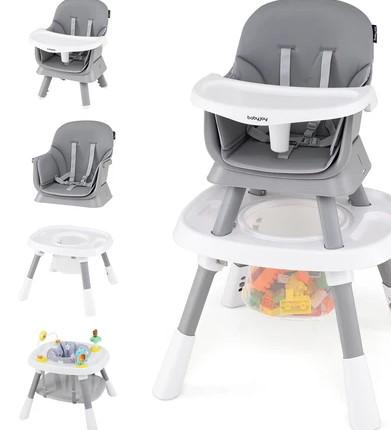
Choosing suitable feeding furniture is an important consideration for businesses serving families, childcare facilities, and baby product retailers. Modern customers often look beyond appearance and pay attention to seating comfort, convenient cleaning, product construction, and everyday usability. Working with a dependable Infant Feeding Dining Chair Supplier can help businesses explore different product styles and purchasing arrangements. A professional Infant Feeding Dining Chair Supplier can also support product selection, customized requirements, and consistent supply planning for distributors seeking practical feeding furniture for different markets.
Changing Expectations for Infant Feeding Furniture
Feeding chairs have become an essential part of many family dining environments. Parents want products that make mealtimes more organized while providing an appropriate seating arrangement for young children. This has encouraged manufacturers to develop different structures and functional features.
Traditional feeding chairs often include a fixed seat, supportive backrest, and separate dining tray. Newer designs may incorporate adjustable components, folding structures, removable trays, or additional storage features.
Different customer groups have different priorities. Families living in compact homes may prefer products that can be folded and stored conveniently. Retailers serving customers who value long-term usability may be more interested in adjustable designs.
Understanding these preferences helps businesses select products that match their target markets rather than relying on appearance alone.
Product Structure and Material Considerations
The materials used in feeding furniture influence its weight, appearance, maintenance requirements, and structural characteristics. Manufacturers may combine plastic, metal, and wooden elements to achieve different product designs.
Plastic seats and trays allow manufacturers to create smooth surfaces and various color combinations. Metal frames can provide structural support, while wooden details may create a different visual style for particular furniture collections.
Product construction should also consider the connections between individual components. The seat, frame, tray, footrest, and fastening elements need to work together as an integrated structure.
For infant products, safety-related requirements deserve particular attention. Manufacturers should evaluate stability, restraint arrangements, edge finishing, material suitability, and applicable market standards. Careful inspection during production helps identify issues before finished products reach distributors and retailers.
Kidstablefactory: Product Options for Different Buyers
Kidstablefactory offers baby feeding and seating products for businesses with different purchasing requirements. For wholesalers and distributors, product variety can be an important factor when developing a competitive product collection.
Some buyers may prefer simple feeding chairs with straightforward structures and easy-to-clean surfaces. Others may look for folding models, adjustable seating arrangements, or products with removable accessories.
Customization can also help businesses establish a more consistent product range. Depending on manufacturing arrangements, buyers may discuss color selections, packaging details, product dimensions, and specific functional requirements.
Before confirming an order, it is useful to communicate the intended sales market, estimated purchasing quantity, and preferred product features. Providing these details helps manufacturers evaluate production arrangements and coordinate product samples more effectively.
Functional Details That Improve Daily Convenience
The practical value of a feeding chair often depends on small design details. A removable tray can make cleaning and food preparation easier, while smooth surfaces help reduce the effort required for routine maintenance.
A suitable backrest and seat shape can contribute to a more comfortable sitting arrangement. Footrests may provide additional support, depending on the child's size and the product design.
Folding mechanisms are another feature worth considering. They can help families save storage space when the chair is not being used. However, folding structures should be designed with appropriate locking arrangements and stability considerations.
Restraint systems also require careful attention. Harness design, fastening quality, and adjustment methods should be evaluated according to applicable safety requirements. These details influence both product development and purchasing decisions.
Building a Reliable Feeding Chair Supply Partnership
For wholesale buyers, choosing a supplier involves evaluating more than product appearance and purchase price. Manufacturing consistency, communication efficiency, customization capabilities, and delivery coordination are also important.
A structured quality management process may include incoming material checks, component inspections, assembly evaluation, and finished-product testing. Buyers should clarify the relevant product standards and documentation requirements for their destination markets.
Packaging arrangements deserve consideration as well. Appropriate protective materials and carton planning can help reduce transportation damage and support more efficient warehouse operations.
Long-term cooperation becomes easier when both parties establish clear expectations for product specifications, sample approval, order quantities, and production schedules. Businesses searching for feeding furniture and wholesale cooperation opportunities can visit https://www.kidstablefactory.com to explore available products and discuss their purchasing requirements.
- Memes & Cultura da Comunidade
- Artigos e Análises
- Pessoal
- Oportunidade
- Projeto
- Conhecimento
- Dúvidas & Pedidos de Ajuda
- Reflexões & Opiniões
- Tendências
- Games
- Lançamentos & Anúncios
- Saúde & Bem Estar
- Eventos & Convites
- Conteúdo Técnico
- Entretenimento
- Networking
- Festas & Festivais
- Religião
- Iniciativas de Impacto
 English
 Arabic
 French
 Spanish
 Portuguese
 Deutsch
 Turkish
 Dutch
 Italiano
 Russian
 Romaian
 Portuguese (Brazil)
 Greek